Sri Lanka is one of the world's most reliable places to see blue whales. Here's how to do it responsibly.
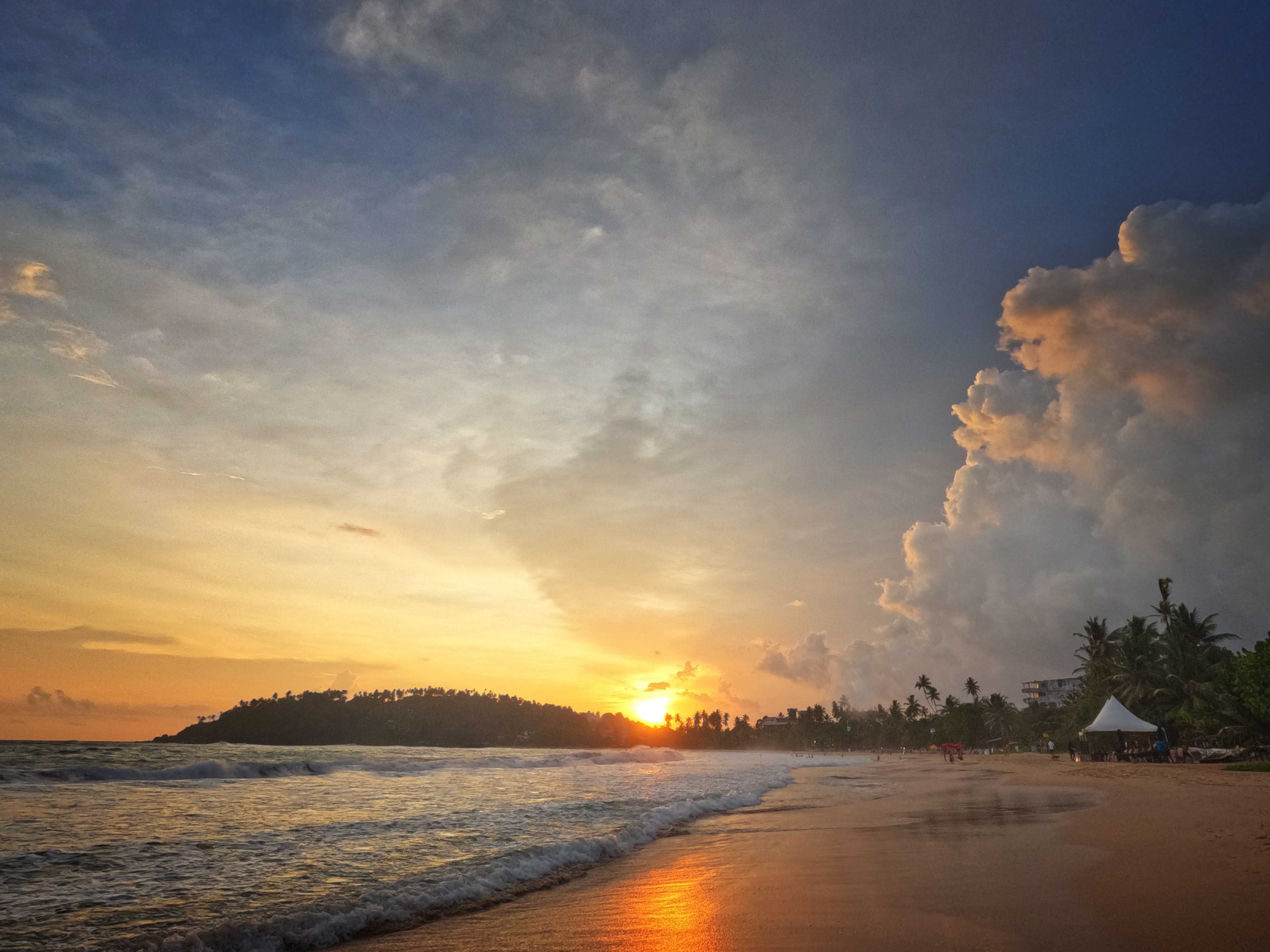
Between November and April, the seas off Mirissa are the most reliable place in the world to see blue whales at close range. The continental shelf drops sharply just a few miles offshore, and the whales — along with sperm whales, Bryde's whales, spinner dolphins and, occasionally, orcas — feed along that edge on their migration between the Arabian Sea and the Bay of Bengal.
The difference between a beautiful morning on the water and a distressing one is the operator. There have been persistent, well-documented problems with boats crowding whales and racing them at close quarters. We work only with a small number of operators who follow the IWC guidelines: a maximum approach distance, engines off when whales surface, no more than a small number of boats per animal, and no chasing.
Practical notes: depart from Mirissa harbour between 6am and 6:30am; the seas are calmest in the first two hours of daylight. Wear a hat, take sea-sickness tablets ninety minutes before departure if you're prone to it, and bring a light waterproof jacket even in fine weather. A private charter — where the whole boat is yours — is significantly more comfortable and dramatically improves the experience; we arrange these regularly for couples and families.
Sightings are seasonal and never guaranteed, but reliability from December to March is very high. The wider south-coast marine ecosystem also includes reliable turtle populations at Rekawa and Kosgoda, and superb reef snorkelling at Weligama — both natural add-ons for a whale-watching morning.