Yala, Udawalawe, Wilpattu, Minneriya, Bundala — a curator's overview.
Sri Lanka's national parks are unusually varied for such a compact island — from the thorn scrub of the deep south to the wetland-and-woodland mosaic of the north-west, each supports its own signature wildlife. Here is a curator's overview of the ones we recommend, and how we like to combine them.
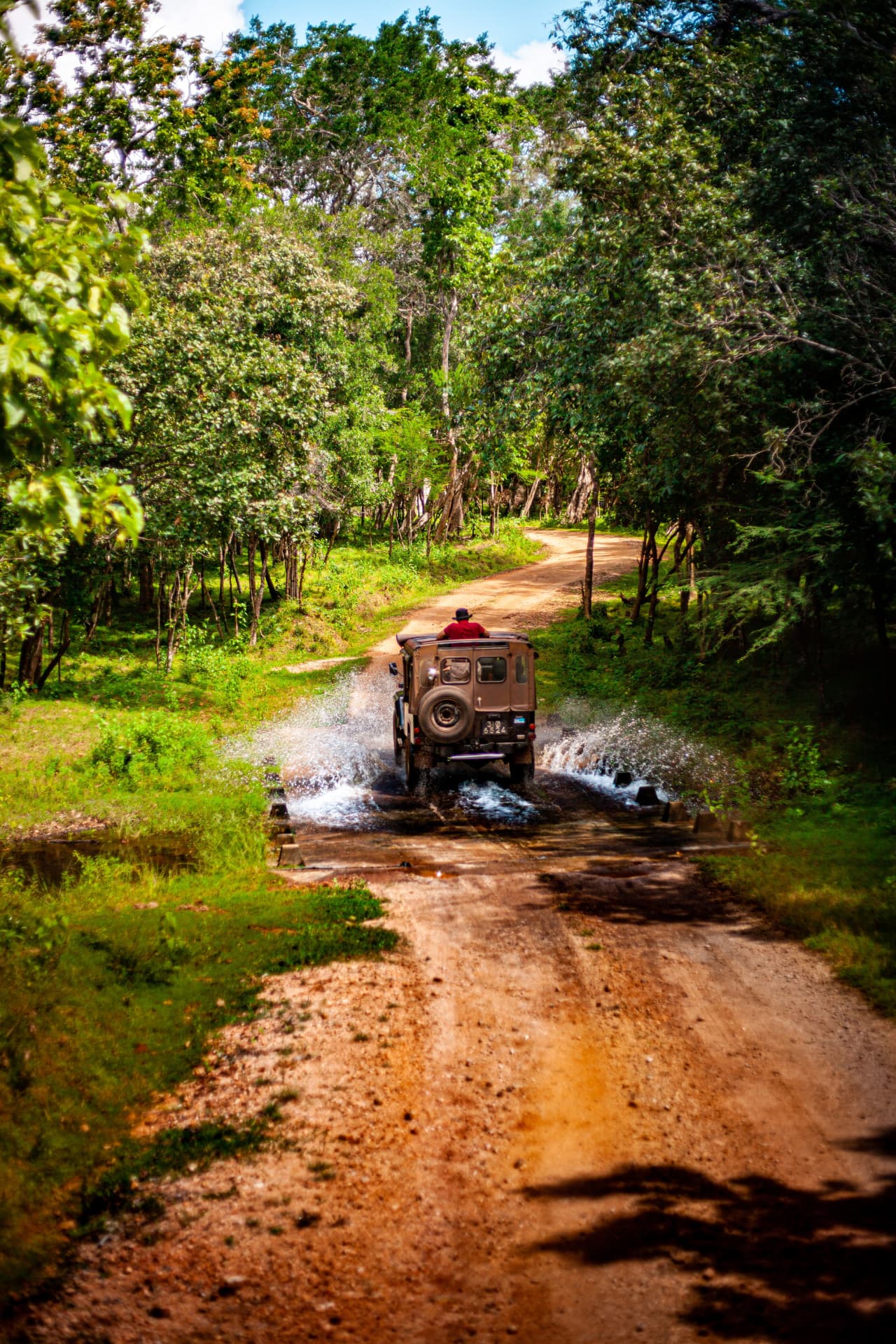
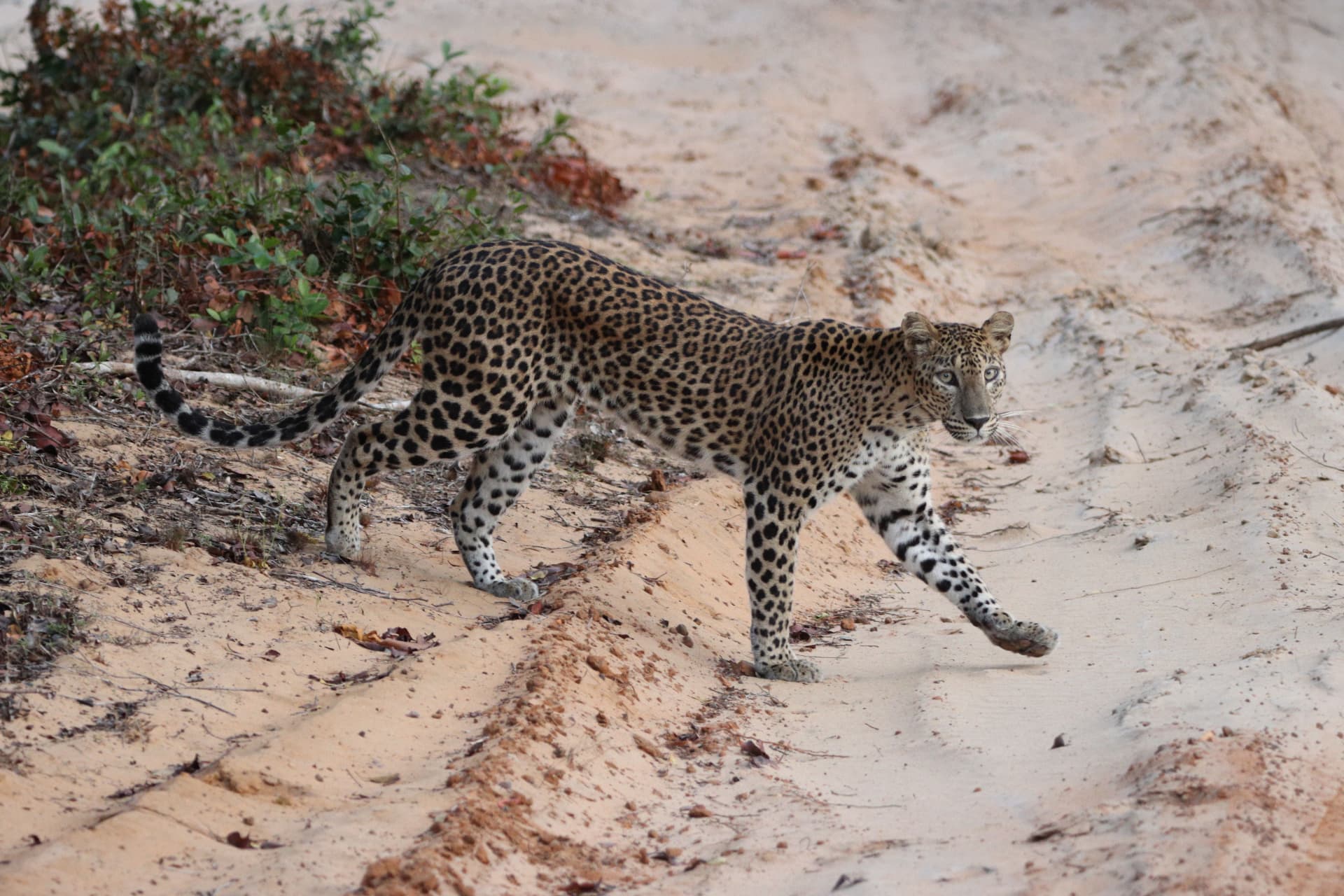
Yala, in the far south-east, is the classic — famous for the highest concentration of leopards anywhere in the world, and a landscape of rocky outcrops, thorn scrub and coastal lagoons that photographs beautifully. Its downside is popularity; we favour full-day drives with a specialist tracker in the quieter northern blocks.
Udawalawe, an hour to the north-west, is elephant country: open grassland, an ever-present herd of over 200 animals, and shorter drives that suit families and slower travelers. Wilpattu, in the north-west, is our quieter recommendation — genuine wilderness, excellent leopard density and only a fraction of Yala's traffic.
Minneriya and Kaudulla, in the north-central plains, host the astonishing 'Gathering' each August and September, when the receding tanks concentrate hundreds of elephants in open grassland. Bundala, closer to the coast, is one of the finest bird parks in Asia — Ramsar-listed, and superb between September and March for migratory waders. Sinharaja rainforest, though technically a UNESCO reserve rather than a national park, is the country's endemic-bird capital and worth a dedicated two nights with a specialist naturalist guide.
Most of our travelers combine two parks with contrasting characters — Yala with Udawalawe, or Wilpattu with Minneriya — over three to four nights. A serious wildlife itinerary might include four or five.